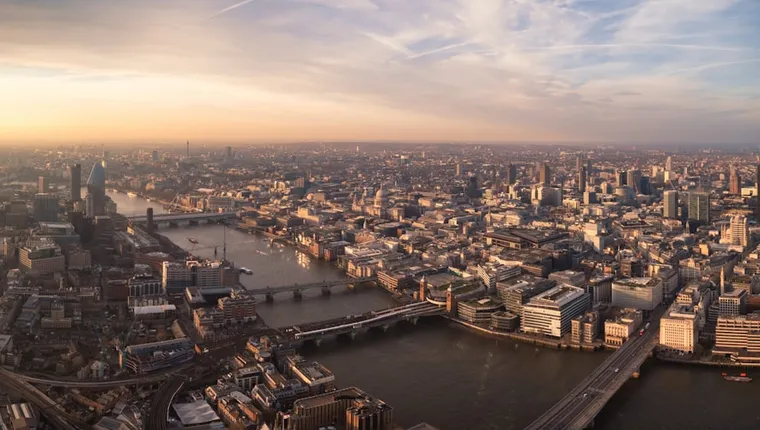
 Photo by Greg Mak on Unsplash
Today's finance roundup: Iran war impacts on UK finances, Rachel Reeves faces bond market pressure, and self-employed face mortgage struggles.
UK households are facing fresh financial headwinds as global conflicts drive up energy prices, Chancellor Rachel Reeves navigates bond market pressures, and the self-employed struggle with basic financial services. Meanwhile, central banks are preparing for potential banking crises amid growing economic uncertainty.
Here's what today's key financial developments mean for your money.
The ongoing conflict between the US-Israel alliance and Iran is delivering what experts are calling "the most severe energy shock since the 1970s," with UK households set to bear the brunt through higher energy bills and renewed cost-of-living pressures. Speaking at IMF meetings in Washington, Chancellor Rachel Reeves joined global finance chiefs in warning that families and businesses are already feeling the pain of soaring energy prices.
Oil executives have been cashing in on the crisis, with Chevron's CEO alone selling £104 million worth of shares this year as prices surge. This windfall for energy companies translates directly into higher costs for UK consumers, potentially derailing recent progress on inflation and living standards. The conflict has also raised fears about airline fuel shortages, threatening summer holiday plans and potentially driving up travel costs.
Consider fixing your energy tariff if you haven't already, and review your household budget for potential increases in fuel and heating costs over the coming months.
Chancellor Rachel Reeves is facing mounting pressure from bond market "vigilantes" – investors who can effectively veto government spending plans by demanding higher returns on UK debt. The Guardian's analysis suggests Reeves is "rightly" fearful of these market forces, particularly given the UK's substantial debt mountain inherited from previous administrations.
However, experts argue that while fiscal discipline is crucial, the Chancellor shouldn't let bond market fears prevent necessary long-term investments, particularly in defence spending. The key challenge is distinguishing between essential infrastructure investment and day-to-day spending that adds to the deficit without improving the UK's economic foundations.
For ordinary savers and investors, this tension means government bond yields may remain elevated, potentially offering better returns on gilts but also signalling underlying economic stress that could affect other investments.
Self-employed workers are encountering serious obstacles accessing basic financial services, from mortgages to maternity pay, highlighting a growing divide in the UK's financial system. Freelance makeup artist Harriett Thompson's experience is typical – she started maternity leave in early 2025 but still hasn't received her statutory pay, forcing her family to rely on her partner's income.
The mortgage market is particularly challenging for the self-employed, with lenders often requiring extensive documentation and treating freelance income as higher risk. This creates a two-tier system where traditional employees have easier access to homeownership and financial protection, whilst the growing gig economy workforce faces additional barriers.
If you're self-employed and looking for a mortgage, see our first-time buyer guide for specialist lenders who work with freelancers and contractors. Professional financial advice can be particularly valuable for navigating these complex applications.
Bank of England Governor Andrew Bailey and his counterparts from the US Federal Reserve and European Central Bank are participating in a "war game" exercise in Washington to test their response to a major bank collapse. The exercise reflects growing unease about risks to global financial stability, nearly two decades after the Lehman Brothers crisis that triggered the 2008 financial crash.
While this might sound alarming, these stress tests are actually positive signs that regulators are taking proactive steps to prevent or contain future banking crises. The fact that central bank chiefs are personally involved demonstrates the seriousness with which authorities view current financial stability risks, including those related to artificial intelligence in banking and the economic impacts of ongoing global conflicts.
UK consumers can take some comfort that their deposits remain protected up to £85,000 per authorised institution through the Financial Services Compensation Scheme, but the exercise underscores the importance of diversifying both banking relationships and investment portfolios.
With energy costs rising due to Middle Eastern conflicts and bond markets pressuring government spending, UK households should prepare for potential increases in living costs and continued economic uncertainty. If you're self-employed, consider working with a specialist adviser to navigate mortgage applications or ensure you're claiming all available benefits. Most importantly, review your emergency savings and consider whether your current financial arrangements provide adequate protection against these emerging economic headwinds.
Get matched with an FCA-regulated adviser in under 2 minutes. Free, no obligation.
Find my adviser — it's free →Trusted by thousands of UK consumers • 5-star rated • 100% free