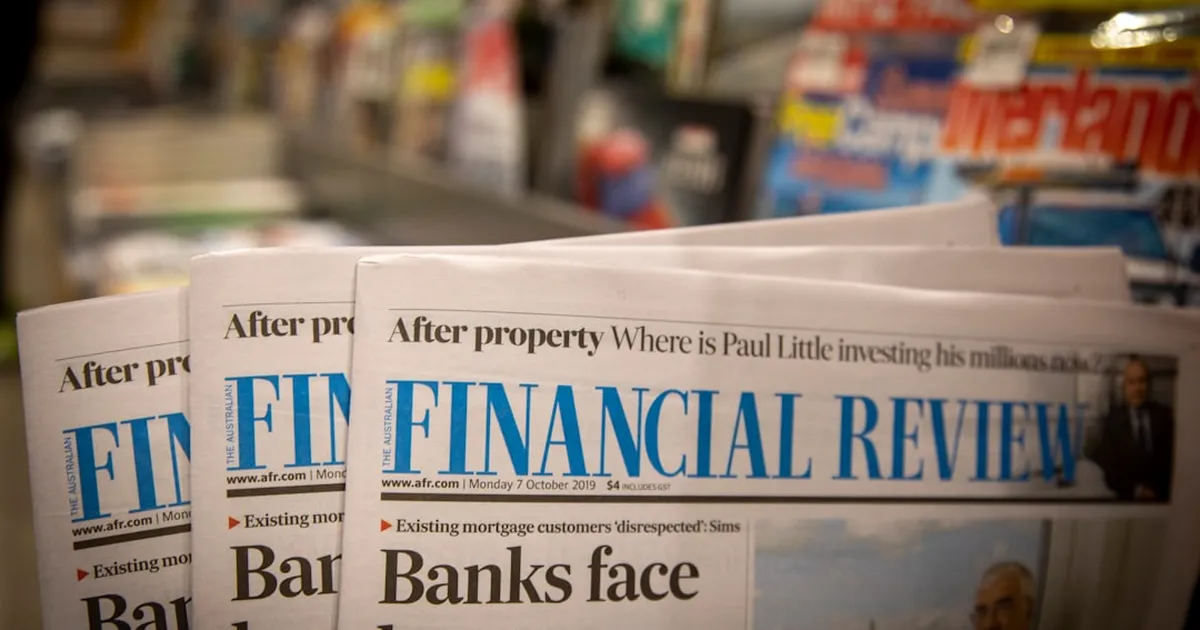
 Photo by Marcus Reubenstein on Unsplash
Bank of England warns energy shock makes interest rate decisions 'very difficult' while rents finally stop rising. What it means for your finances.
Photo by Marcus Reubenstein on Unsplash
Yesterday brought significant developments across the UK financial landscape, from the Bank of England's warning about energy-driven inflation to the first halt in rental price growth since 2017. Here's what the key stories mean for your personal finances.
The Bank of England Governor has told the BBC that the ongoing Iran war energy shock is making the next interest rate decision "very, very difficult." This signals that the central bank may need to keep rates higher for longer than previously expected, or potentially even raise them further to combat energy-driven inflation.
For homeowners, this could mean mortgage rates remaining elevated well into 2026. If you're on a variable rate mortgage or facing a remortgage soon, it's crucial to review your options now. Fixed-rate deals may offer protection against further rate rises, though they remain significantly higher than the ultra-low rates of recent years. See our remortgage guide for strategies to secure the best deal in this challenging environment.
If your mortgage deal expires in the next 12 months, speak to a financial adviser now about securing a new rate. Energy price volatility could keep interest rates unpredictable throughout 2026.
After almost a decade of relentless increases, average private rents across Great Britain have finally plateaued at £1,370 per month outside London, according to Rightmove data for Q1 2026. More significantly, landlords are increasingly having to cut their asking prices to attract tenants – a fundamental shift in the rental market dynamics.
This presents opportunities for both renters and potential property investors. Current tenants may find more success negotiating rent reductions at renewal time, whilst prospective renters have greater choice and bargaining power. However, for buy-to-let investors, this trend combined with higher mortgage rates creates a challenging environment. Those considering buy-to-let investments need to factor in potentially stagnant rental yields alongside elevated borrowing costs.

Rachel Reeves has warned that "difficult choices" lie ahead as the government seeks to boost defence spending without raising taxes or increasing borrowing. The Chancellor specifically mentioned that welfare budgets could face cuts to fund military expenditure amid the Iran conflict and ongoing Ukraine war.
This political development could have wide-ranging implications for public finances and benefits. Those relying on state support should prepare for potential changes to welfare programmes, whilst the commitment to avoid tax rises may provide some reassurance for taxpayers. However, reduced government spending in other areas could impact public services and economic growth, indirectly affecting job security and wage growth across the economy.
Sky News highlighted the ongoing confusion around the UK's dual state pension system following this month's annual increase. The existence of both the basic State Pension and the new State Pension continues to perplex many approaching retirement, with different qualification criteria and payment amounts depending on when you reached state pension age.
If you're planning for retirement, understanding which state pension you're entitled to is crucial for accurate financial planning. Those reaching state pension age after April 2016 receive the new State Pension (currently around £203.85 per week), whilst those who reached it before this date receive the basic State Pension plus any additional entitlements. Our pensions guide can help you navigate these complexities and plan accordingly.
The combination of energy-driven inflation concerns and geopolitical tensions suggests continued financial volatility ahead. Homeowners should prioritise securing mortgage protection against potential rate rises, whilst renters may finally have some negotiating power. Most importantly, these uncertain times make comprehensive financial planning more crucial than ever – consider speaking to a regulated financial adviser to ensure your finances can weather whatever 2026 brings.
Get matched with an FCA-regulated adviser in under 2 minutes. Free, no obligation.
Find my adviser — it's free →Trusted by thousands of UK consumers • 5-star rated • 100% free