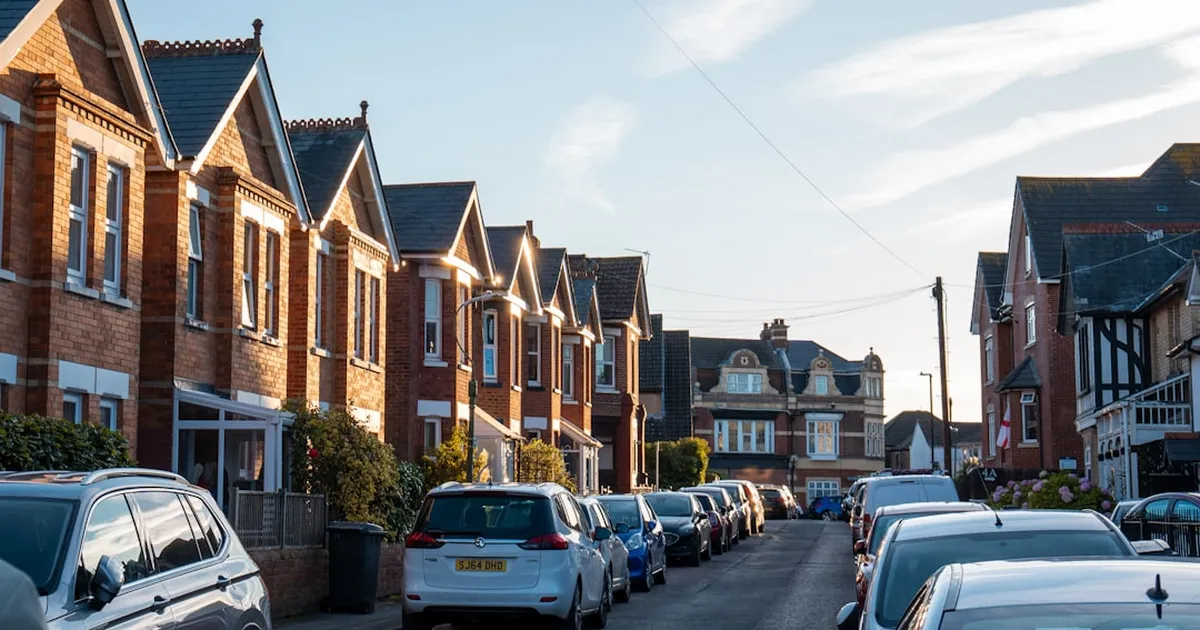
 Photo by Andri Aeschlimann on Unsplash
UK house prices fall below £300k amid Middle East uncertainty, while markets rally on ceasefire news. What this means for your mortgage and finances.
Photo by Andri Aeschlimann on Unsplash
Yesterday brought a mixed bag of financial news, with UK house prices retreating as geopolitical tensions weigh on the property market, whilst financial markets found some relief from ceasefire developments in the Middle East. Meanwhile, the ongoing water crisis continues to raise questions about potential costs for taxpayers and utility bills.
UK house prices dropped by 0.5% in March, pushing the average home price back below the £300,000 threshold to £299,677, according to Halifax data. This retreat comes just months after property values first crossed this significant milestone in January, highlighting how quickly market conditions can shift when economic uncertainty takes hold.
The decline is directly linked to rising energy costs stemming from the Middle East conflict, which have pushed mortgage rates higher and seen hundreds of the cheapest mortgage deals disappear from the market over the past month. For homeowners looking to remortgage or buyers hoping to secure financing, this means fewer options and higher monthly payments.
If you're planning to buy or remortgage in the coming months, act quickly to secure rates before they potentially rise further. Our remortgage guide can help you navigate your options in this challenging market.
Financial markets experienced significant relief following news of a two-week ceasefire in the Iran conflict, with oil prices plunging and stock markets rallying. The temporary halt to hostilities has raised hopes that the Strait of Hormuz—a critical shipping route for global oil supplies—may reopen, potentially easing what experts are calling "the worst energy crisis of the modern era."
However, analysts warn that this relief may be premature, with the situation remaining highly volatile and conflicting messages emerging from Tehran and Washington about the reopening of key shipping channels. The six-week conflict has already created lasting economic damage that won't disappear overnight, even if a permanent resolution is reached.

Close Brothers shares surged after the specialist lender announced it could "comfortably absorb" its portion of the £9.1 billion motor finance compensation scheme set by the Financial Conduct Authority (FCA). The bank expects its share of the bill to be around £320 million, broadly in line with the £294 million it has already set aside.
This development provides some clarity for consumers who may be owed compensation from the motor finance scandal, though the full scale of payouts across the industry remains substantial. If you've taken out car finance in recent years, you may be entitled to compensation—check with your lender or seek advice about potential claims.
The ongoing sewage crisis has reignited debate about water company renationalisation, with the government putting the cost at £100 billion—though academics dispute this figure as "serious scaremongering." The crisis affects every household in England through both water bills and environmental concerns about polluted rivers and coastal waters.
For consumers, this debate matters because the eventual solution—whether continued privatisation with stricter regulation, partial renationalisation, or full public ownership—will likely impact water bills for decades to come. The current system has seen companies extract profits whilst failing to invest adequately in infrastructure, leaving customers facing both higher bills and environmental degradation.
The property market slowdown means buyers may find more negotiating power, but higher mortgage rates offset much of this advantage. If you're planning major financial moves like buying a home or remortgaging, don't delay—market conditions could deteriorate further if geopolitical tensions resume. For long-term financial planning, the water crisis and motor finance compensation developments remind us that regulatory changes can significantly impact household budgets, making diversified financial advice more valuable than ever.
Get matched with an FCA-regulated adviser in under 2 minutes. Free, no obligation.
Find my adviser — it's free →Trusted by thousands of UK consumers • 5-star rated • 100% free