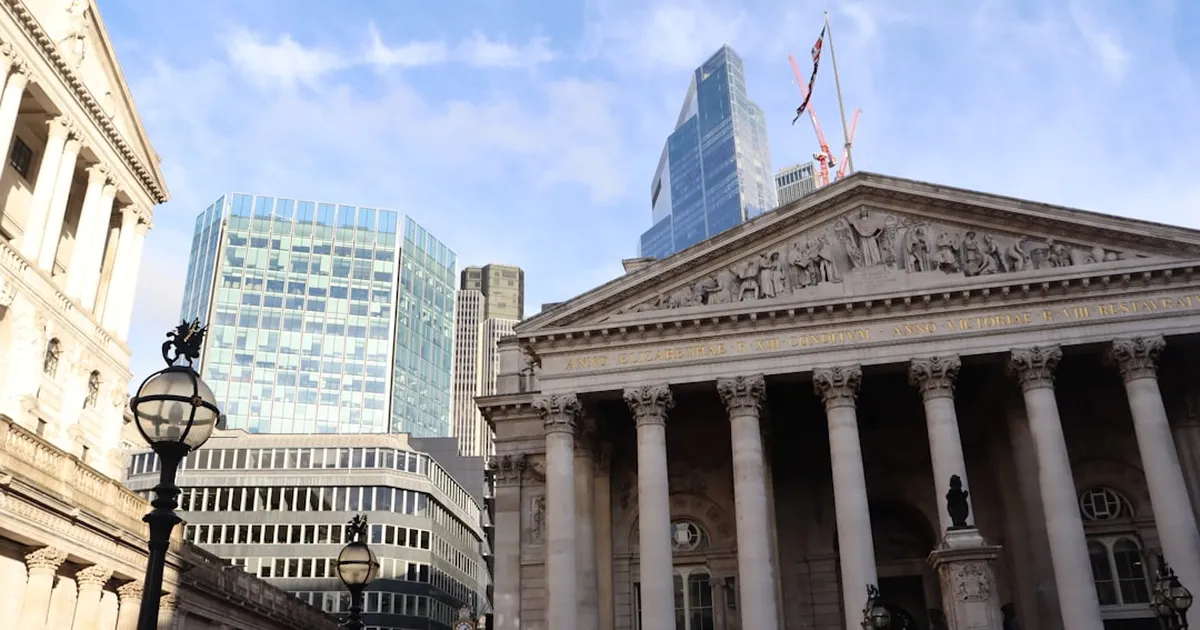
 Photo by Alicja Ziajowska on Unsplash
Energy bills push UK inflation toward 3%, AI holiday scams target travellers, and bank switching could earn you £220. Here's what it means for you.
Photo by Alicja Ziajowska on Unsplash
From rising energy bills stoking fresh inflation fears to AI-powered fraudsters targeting your holiday snaps, Sunday 16 August delivered a packed news agenda for UK household finances. Here are the stories that matter most — and what you should do about them.
Official inflation figures due this week are expected to show that UK headline inflation jumped to around 2.9% in July, driven largely by soaring gas and electricity bills. The surge is being fuelled by the ongoing Iran war, which has sent shockwaves through global energy markets and pushed oil and gas prices sharply higher. For context, the Bank of England's target is 2% — so a reading of close to 3% is a meaningful overshoot that will put real pressure on household budgets.
The timing is particularly uncomfortable. Central banks — including the Bank of England, the US Federal Reserve, and the European Central Bank — are caught in a difficult bind. They are still haunted by their failure to act quickly enough in 2022, when UK inflation surged above 10%. But with economic growth slowing at the same time as prices rise, raising interest rates aggressively risks tipping the economy into recession. The result? A nervous standoff, with policymakers effectively sitting on their hands while households feel the squeeze.
For consumers, this means mortgage rates are unlikely to fall as quickly as many had hoped, and energy bills — already painful — could climb further before relief arrives. If you're on a variable-rate mortgage or approaching the end of a fixed deal, now is a sensible time to review your options before rates move against you. See our remortgage guide for practical steps you can take today.
Watch out: If your fixed-rate mortgage deal expires in the next six months, don't wait for rates to fall before you act. Locking in a new deal early can protect you from further rises — and you can often switch without penalty if a better rate appears before completion.
As if rising energy costs weren't enough, a proposal from water industry regulator Ofwat could see household water bills go up during periods of drought. Under the plans being explored, water companies in England and Wales would be permitted to add a "water scarcity" charge to bills when supplies are under pressure — a system being compared to the surge pricing used by ride-hailing apps like Uber, where prices rise when demand outstrips supply.
The stated aim is to reduce consumption during dry spells, nudging households to use less water when it's scarce. In theory, that makes environmental sense. In practice, it means families — particularly those who use more water out of necessity, such as large households or those with young children — could face higher bills at the very times they can least control their usage. There's also a real risk that lower-income households are disproportionately affected.
Tip: Getting a water meter installed, if you don't already have one, can help you monitor and manage your usage — and could save you money even before any surge pricing is introduced. Contact your water company to request a free meter assessment.
This story is a stark warning for anyone who shares travel photos on Instagram, Facebook, or other social media. Fraudsters are now using AI tools to scan public posts and identify where you've been — then send convincingly personalised scam messages pretending to be your bank. The example given is telling: you post a photo in Porto, and days later receive a text saying "we detected unusual activity while you were travelling in Porto — please verify immediately." The location detail makes the message feel completely credible, even though it's fabricated.
Once you click the link and enter your details, criminals have everything they need to access your accounts. What makes this particularly dangerous is that the messages are no longer the poorly-worded, obviously fake texts of a few years ago. AI allows scammers to craft fluent, personalised, entirely plausible communications at scale — and the more you share publicly, the more ammunition they have.
The golden rule remains the same, but bears repeating: your bank will never ask you to verify account details by clicking a link in a text or email. If you receive any message asking you to act urgently on your finances, hang up, close the message, and call your bank directly using the number on the back of your card or their official website.
Warning: Consider setting your social media accounts to private, or at minimum delaying posting holiday photos until after you've returned home. Real-time location sharing gives fraudsters a live feed of your whereabouts — making their scams far more convincing.
On a more positive note, new research highlighted by the BBC suggests that millions of British savers are leaving significant sums on the table simply by staying loyal to their existing bank. Switching your current account could earn you as much as £220 in cash incentives from banks competing for your business — and that's before you factor in better interest rates, cashback on spending, or improved savings pots. Collectively, staying put is costing UK savers billions in missed interest every year.
Switching is easier than most people realise. The Current Account Switch Service (CASS) guarantees the process completes in seven working days, and automatically redirects payments and direct debits from your old account. Your salary, bills, and standing orders all move across without you having to do anything beyond initiating the switch. The banks doing the most to attract customers right now include some strong cashback and sign-up bonus deals — so it's genuinely worth spending 20 minutes to compare what's available.
Good to know: You can use the Current Account Switch Service (CASS) guarantee for free via any participating bank. Search "current account switch" on your prospective new bank's website to get started — the process takes just minutes to initiate online.
This week's news paints a challenging picture for UK household finances, but there are practical steps you can take right now to protect yourself:
If rising costs are putting pressure on your broader financial plan — whether that's your mortgage, savings strategy, or protection cover — a qualified financial adviser can help you make sense of your options. Nesto matches you with FCA-regulated advisers who can give you personalised guidance based on your situation.
Get matched with an FCA-regulated adviser in under 2 minutes. Free, no obligation.
Find my adviser — it's free →Trusted by thousands of UK consumers • 5-star rated • 100% free