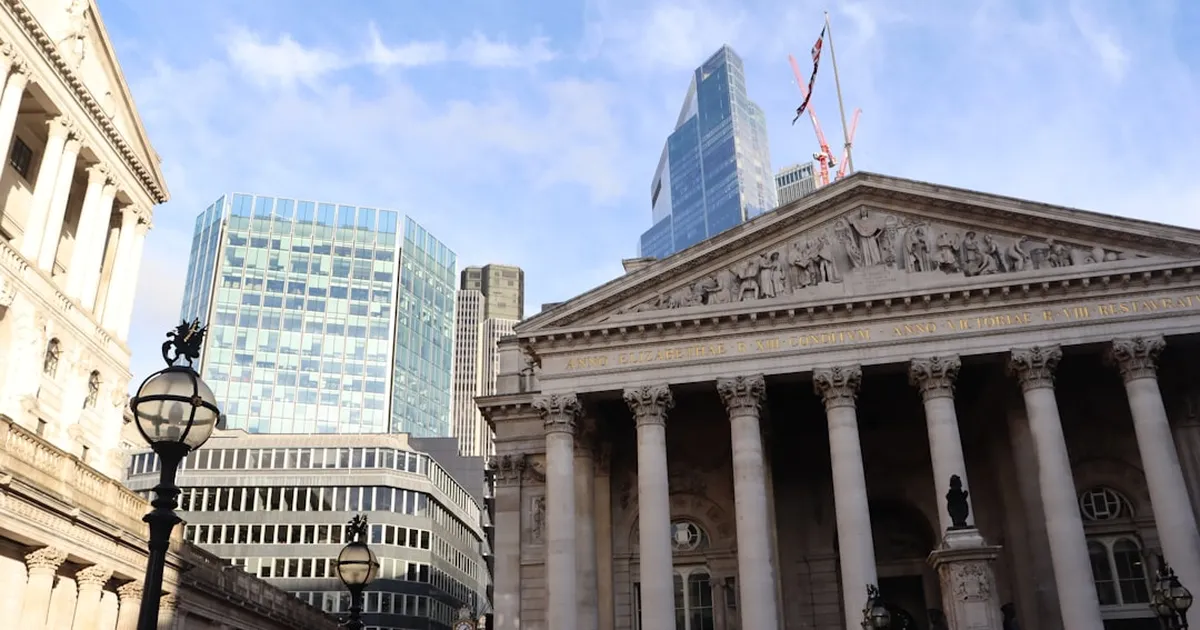
 Photo by Alicja Ziajowska on Unsplash
From Burnham's budget squeeze to EDF's energy takeover and rising student loan scams — here's what the day's top UK finance news means for you.
Photo by Alicja Ziajowska on Unsplash
Welcome to the Nesto UK Finance Daily — your morning briefing on the stories shaping your money. Today's agenda is dominated by the tension between political ambition and fiscal reality, a fresh wave of consolidation in the energy market, and a timely warning for students heading to university this autumn. Here's what you need to know.
Andy Burnham swept into Downing Street pledging to "overthrow 40 years of neoliberalism" and deliver substantial, tangible change for ordinary households. But as Chancellor John Healey prepares his 28 October budget, the early signals coming out of the Treasury suggest the rhetoric may outpace the reality. Bond market volatility — the same force that derailed Liz Truss's short-lived premiership — is once again constraining what any government can realistically promise to spend.
For everyday consumers, this matters directly. If the government cannot borrow cheaply, it faces an uncomfortable choice: raise taxes, cut spending, or both. Burnham's devolution agenda — handing England's mayors unprecedented powers and budgets — adds another layer of complexity. A Guardian editorial warns that accountability mechanisms have "withered" alongside devolution, pointing to a string of council bankruptcies and spending scandals as evidence of what happens when large sums of public money flow without proper oversight.
Watch out: If the October budget results in higher taxes — whether on income, council tax, or other levies — your household budget could feel the squeeze well into 2027. Now is a good time to review your financial plan, particularly if you have significant debts, a mortgage coming up for renewal, or are approaching retirement.
The broader takeaway is one of managed expectations. While political change at the top can feel transformative, the levers available to any chancellor are tighter than campaign trail speeches suggest. Keeping an eye on the 28 October budget date and understanding how potential tax changes could affect your personal finances is prudent planning, not pessimism.
French-owned EDF Energy is in advanced talks to acquire So Energy, one of the smaller independent suppliers that emerged in the wake of the 2021–22 energy crisis. The deal, reported by Sky News, is the latest sign that consolidation is sweeping back through the domestic gas and electricity supply market. So Energy built a loyal following among consumers who wanted a greener, more transparent alternative to the Big Six — so its potential absorption into a much larger utility will raise eyebrows among its customer base.
On the surface, consolidation can cut costs through economies of scale, and larger suppliers tend to be more financially resilient — an important point after dozens of smaller energy firms collapsed between 2021 and 2023, leaving customers temporarily stranded and pushing up the cost of the supplier of last resort process. However, less competition in the market generally means less pressure on pricing, and consumers could find themselves with fewer meaningful choices when comparing tariffs.
Tip: If you are a So Energy customer, there is no need to panic — your supply is protected regardless of any ownership change. However, this is a timely reminder to check whether you are on the best available tariff. Use an FCA-regulated financial adviser or an Ofgem-approved comparison service to review your energy costs alongside your broader household budget.
The wider trend of consolidation also has implications for investors with holdings in energy stocks or funds with significant utility exposure. If markets begin pricing in reduced competitive pressure, valuations across the sector could shift. Worth watching if your pension or ISA has meaningful exposure to UK utilities.
Every September, the Student Loans Company distributes approximately £2.6 billion in maintenance payments to students across the UK — and fraudsters know it. As reported by the Guardian, scammers are sending convincing text messages to students warning that their bank details have been changed, urging them to click a link and "verify" their information immediately. The messages are designed to create panic at precisely the moment when anxious new students are least likely to pause and question what they are reading.
Warning: The Student Loans Company will never ask you to confirm or update your bank details via a text message link. If you receive a message like this, do not click any links. Contact Student Finance England or Student Finance Wales directly through their official websites or phone numbers — never through contact details provided in the suspicious message itself.
This type of fraud — known as smishing (SMS phishing) — is increasingly sophisticated and disproportionately targets young people who may be managing their own finances independently for the first time. The financial and emotional impact of losing a maintenance payment at the start of term can be severe, potentially affecting accommodation payments and day-to-day living costs during a critical settling-in period.
If you have a family member starting university this autumn, a brief conversation about this specific scam could make a real difference. Encourage them to verify any unexpected financial messages through official channels, and remind them that legitimate institutions will never pressure them to act urgently via text. You can also report suspicious messages to 7726 (the industry spam-reporting shortcode) or to Action Fraud at actionfraud.police.uk.
China has announced a $54 billion (£40 billion) injection into its financial sector, channelling funds into banks and insurers to shore up confidence amid sluggish economic growth. State institutions — including, notably, the company that runs China's tobacco monopoly — are among those replenishing cash reserves at major financial institutions. Beijing wants these newly capitalised banks and insurers to increase their investment in the domestic stock market, in a bid to stabilise asset prices and restore investor confidence.
For UK consumers, the connection may feel abstract, but it is worth understanding. Global markets are deeply interconnected, and a serious slowdown in the world's second-largest economy would have real consequences for UK exporters, multinational companies listed on the FTSE, and funds with emerging market exposure. Conversely, a successful stimulus could lift commodity prices — including oil — which feeds through into energy costs here at home.
Good to know: If your pension or Stocks and Shares ISA includes a global or emerging markets fund, it likely has some exposure to Chinese equities. This is not necessarily cause for concern — diversification is healthy — but it is worth knowing what is inside your investments. See our ISA guide or pensions guide for more on how to review your investment mix.
The stimulus also reflects a broader trend of governments around the world using financial sector intervention to prop up growth — a dynamic that is playing out in the UK too, albeit in different ways, as Chancellor Healey weighs his options ahead of October. Understanding how global fiscal policy shapes domestic interest rates, inflation, and investment returns has never been more relevant for UK consumers managing their long-term finances.
Today's stories carry a consistent thread: the gap between political ambition and financial reality is widening, and consumers need to be prepared rather than passive. Here is what we suggest you take away:
Get matched with an FCA-regulated adviser in under 2 minutes. Free, no obligation.
Find my adviser — it's free →Trusted by thousands of UK consumers • 5-star rated • 100% free