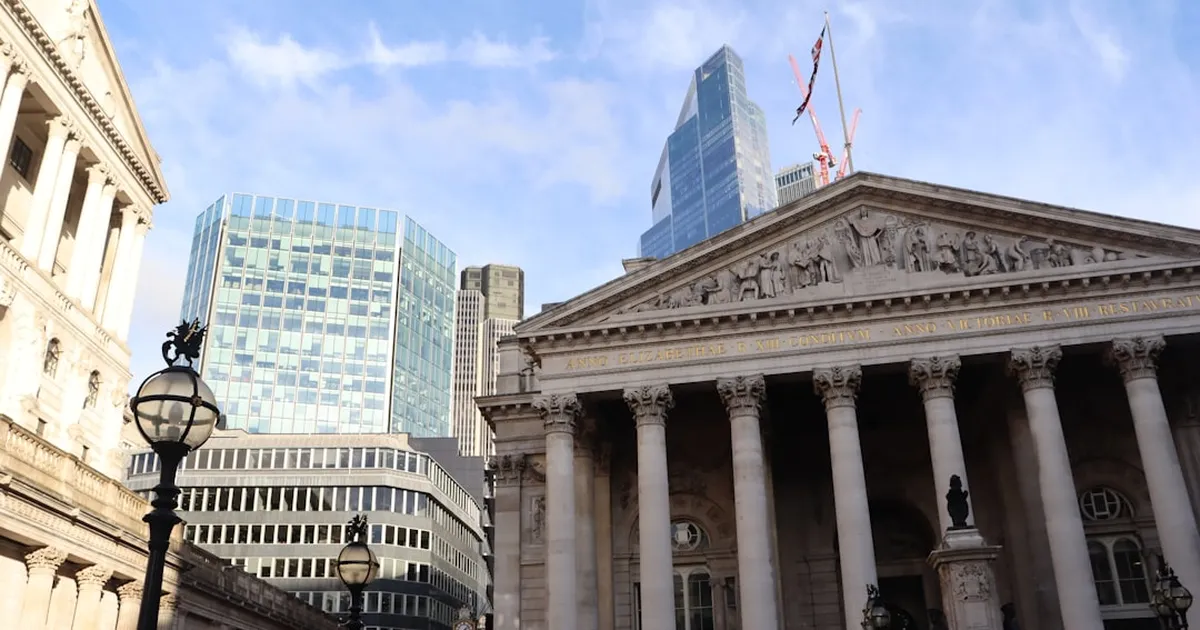
 Photo by Alicja Ziajowska on Unsplash
US debt hits $40tn, UK banks warn against tax hikes, and bond market turmoil hits borrowing costs. Here's what it all means for your money.
Photo by Alicja Ziajowska on Unsplash
It has been a turbulent week for global finance, and the ripples are reaching UK households fast. From bond market chaos triggered by US debt fears, to Britain's biggest banks lobbying the new chancellor ahead of October's Budget, here is what happened on 20 August 2026 — and what it means for your wallet.
The United States national debt crossed the staggering $40 trillion mark this week, up from roughly $35 trillion when Donald Trump returned to the White House less than two years ago. The milestone has rattled global bond markets, with the interest rate on 30-year US government bonds reaching its highest level in almost 20 years. That might sound like a problem for American taxpayers alone — but it is not.
When investors lose confidence in US debt, they demand higher returns to hold it, which pushes up bond yields worldwide. UK government borrowing costs — known as gilt yields — have been dragged higher alongside those in Europe and Japan. Higher gilt yields feed directly into the rates that lenders use to price fixed-rate mortgages, personal loans, and business finance here in Britain. In simple terms: American fiscal chaos can make your next mortgage deal more expensive, even if you have never set foot in the US.
Watch out: If you are approaching the end of a fixed-rate mortgage deal in the coming months, rising gilt yields could push up the rates available to you when you remortgage. It is worth speaking to a qualified adviser sooner rather than later. See our remortgage guide for more on how to navigate a tricky rate environment.
The root causes are a cocktail of poor policy decisions. Trump's tariffs — sold as a revenue raiser — were largely struck down by the Supreme Court, forcing the government to refund tens of billions of dollars to importers. The so-called Department of Government Efficiency (DOGE) slashed federal programmes but failed to close the budget deficit. And a burst of inflation tied to Trump's military involvement in Iran has sharply raised the cost of servicing existing US debt. The result is a fiscal situation that analysts are increasingly describing as unsustainable — and global markets are taking notice.
Britain's biggest banks have delivered a blunt message to John Healey, the new chancellor, ahead of his first Budget in October: raising taxes on the banking sector would be a serious mistake. The warning comes as Healey faces pressure to find revenue to plug gaps in the public finances — and the banks, which generate substantial profits, are an obvious target for any Treasury looking for a quick win.
The banks' concern is that additional levies — whether on profits, payroll, or transactions — could make the UK a less attractive place to do business, potentially pushing activity and investment overseas. This argument has been made before, and it is contested. Critics point out that UK banks have posted record profits in recent years thanks largely to high interest rates, and that the public purse has a legitimate claim on a share of those gains. But the banks argue that taxing them harder ultimately gets passed on to customers through higher fees, lower savings rates, and tighter lending criteria.
Good to know: Whatever the Budget brings, there are steps you can take now to make sure your savings are working as hard as possible. If your money is sitting in a low-interest current account, moving it to a competitive cash ISA could protect your returns from both tax and future rate changes. See our ISA guide to find out more.
For everyday consumers, the key question is whether any new bank taxes would translate into higher costs or lower returns. History suggests the answer is: possibly. Banks have shown a consistent ability to protect their own margins by adjusting the products they offer to retail customers. With Healey's Budget now less than two months away, it is worth keeping a close eye on any announcements that could affect your savings rates, overdraft charges, or mortgage deals.

The bond market turbulence sparked by US fiscal policy is not just an abstract concern for institutional investors — it has real, tangible consequences for consumers and businesses across the UK. When government borrowing costs rise, the knock-on effects spread quickly: mortgage rates climb, business loan costs increase, and the government's own ability to spend on public services becomes more constrained.
The Guardian's analysis highlights that anxiety about Trump's handling of the US economy — combined with inflationary pressure from the Iran conflict — is driving a sell-off in US bonds. As investors dump US government debt, yields spike, and other governments around the world find that their own borrowing costs are pulled higher too. For the UK, which is already managing a challenging fiscal position, this adds pressure at exactly the wrong moment, just as the new chancellor is preparing his first Budget.
Watch out: Rising borrowing costs globally could make it harder for first-time buyers to secure affordable mortgage deals. If you are saving for your first home, now is a good time to review your strategy. Our first-time buyer mortgage guide explains your options in detail.
For those with investments — including pension funds, ISAs, or stocks and shares portfolios — bond market volatility can also affect equity valuations. When bond yields rise sharply, shares in growth companies often fall in value as future profits are discounted more heavily. If you hold a diversified portfolio, this is a good moment to review whether your risk profile still matches your goals, particularly if retirement is on the horizon. Speaking to a regulated financial adviser can help you make sense of how global events are affecting your personal financial plan.
Away from the global drama, Reform UK has proposed introducing tax rebates for businesses that take on apprentices, as part of a broader effort to boost vocational training. The party's deputy leader Suella Braverman used the announcement to also take aim at universities, advising young people "not to get ripped off by the great university scam" — a line that will resonate with some, but will irritate many in the education sector.
The substance of the policy — tax incentives for apprenticeships — is not a new idea, and versions of it have been tried before. The question is always whether the rebates are generous enough to change employer behaviour at scale. For young people weighing up their options between university and a vocational route, greater financial incentives for employers could mean more apprenticeship places and potentially better wages as firms compete to attract talent.
Whether or not Reform's specific proposal gains traction, the broader debate about the value of degrees versus vocational training is increasingly relevant. With graduate starting salaries failing to keep pace with the cost of a university education in many fields, the financial case for certain degrees has weakened significantly. If you are a parent helping a child think through their options, or a young person planning your own route, it is worth running the numbers carefully before committing to a three- or four-year course.
This week's news is a reminder that global economic forces — particularly those emanating from the United States — can affect UK households in very direct ways, even when the headlines feel remote. Here is what we would suggest you consider right now:
Need personalised advice? Nesto matches you with FCA-regulated financial advisers who can help you navigate rising rates, market volatility, and Budget uncertainty. Whether you need mortgage guidance, investment advice, or help with retirement planning, find an adviser today.
Get matched with an FCA-regulated adviser in under 2 minutes. Free, no obligation.
Find my adviser — it's free →Trusted by thousands of UK consumers • 5-star rated • 100% free