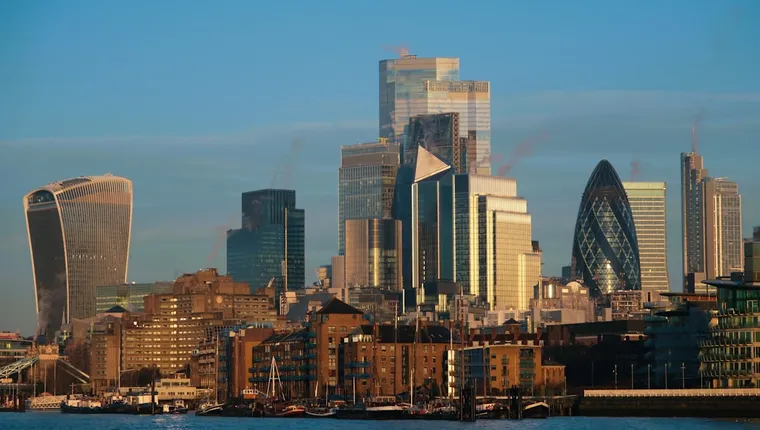
 Photo by Skies & Scopes on Unsplash
Home energy bills set to soar as Middle East conflict hits fuel prices. Plus Gordon Brown returns to advise on finances as Labour faces pressure.
Photo by Skies & Scopes on Unsplash
Yesterday's news brought a mixed bag for UK households and investors, with rising energy costs threatening family budgets while political uncertainty continues to weigh on market confidence. From innovative home energy solutions to economic disruption from overseas conflicts, here are the key developments affecting your finances.
UK households are bracing for another sharp increase in energy bills this summer, as the ongoing standoff between Iran and the US in the Strait of Hormuz continues to disrupt global oil supplies. The conflict has already claimed its first major casualty in the aviation sector, with Spirit Airlines shutting down last week citing unsustainable fuel costs.
The timing couldn't be worse for British families already struggling with the cost of living. With oil prices likely to remain elevated while the geopolitical crisis continues, energy suppliers will inevitably pass these costs onto consumers through higher tariffs. This has prompted record numbers of households to investigate green energy alternatives, including solar panels and heat pumps, as a hedge against volatile fossil fuel prices.
Consider your options: Now might be the time to explore renewable energy installations. While the upfront costs are significant, government incentives and long-term savings could make them worthwhile investments. See our remortgage guide if you're considering releasing equity to fund home improvements.
As energy costs spiral, home battery storage systems are emerging as a potential solution for savvy homeowners. These systems allow households to store electricity during off-peak hours when rates are lower, then use that stored power during expensive peak periods. Some systems can even sell excess energy back to the grid, creating a new income stream.
The technology has improved dramatically in recent years, with costs falling while storage capacity and efficiency have increased. For homes with solar panels, batteries can capture excess generation during sunny periods for use after dark. Even without solar, time-of-use tariffs make battery storage increasingly attractive as a way to arbitrage electricity prices throughout the day.
Prime Minister Keir Starmer has brought former Chancellor Gordon Brown back into government as an adviser on global finance, in a move designed to shore up confidence following Labour's disastrous local election results. Brown's brief includes advising on financial partnerships and defence-related investments, particularly with European allies.
For investors and businesses, Brown's return signals an attempt to restore economic credibility to a government under intense pressure. His experience navigating the 2008 financial crisis could prove valuable as the UK faces multiple economic headwinds from geopolitical tensions, energy price volatility, and ongoing inflation pressures. However, the political instability itself remains a concern for market confidence.
A new survey reveals millions of UK households are 'prepping' for potential major disruptions by keeping cash at home, stockpiling tinned goods, and ensuring they have emergency supplies. This behaviour reflects growing anxiety about everything from cyber-attacks on critical infrastructure to extreme weather events and ongoing global conflicts.
While having emergency supplies makes sense, keeping large amounts of cash at home comes with significant risks - both from theft and from losing purchasing power to inflation. Financial advisers generally recommend keeping emergency funds in easily accessible savings accounts rather than under the mattress, where they can at least earn some interest while remaining liquid.
Security concerns: If you're keeping emergency cash at home, make sure it's properly secured and covered by your home insurance. Consider whether high-interest easy-access savings accounts might be a safer alternative that still provides quick access to funds.
With energy bills set to rise significantly and political uncertainty weighing on markets, now is the time to review your household finances. Consider locking in fixed-rate energy deals if available, explore renewable energy options for your home, and ensure your emergency savings are properly positioned in secure, accessible accounts rather than hidden around the house. The current volatility underscores the importance of having a robust financial plan - speak to a qualified adviser if you need help navigating these uncertain times.
Get matched with an FCA-regulated adviser in under 2 minutes. Free, no obligation.
Find my adviser — it's free →Trusted by thousands of UK consumers • 5-star rated • 100% free